

Decaf Isn't Dead: Why Specialty Decaf Is Having a Serious Moment in 2026
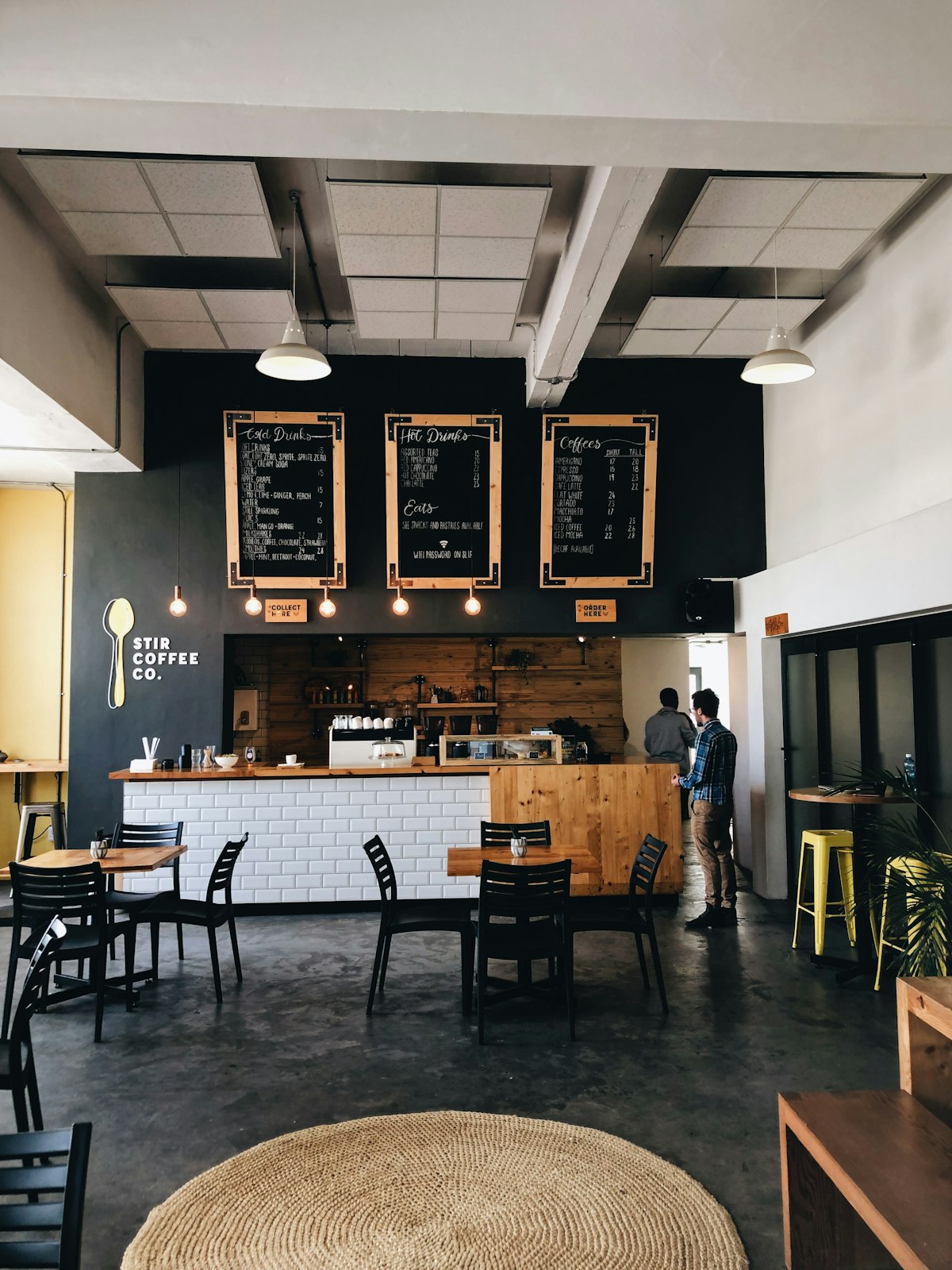
Here's what I'm here to tell you in 2026: specialty decaf coffee has outgrown that reputation so completely that it deserves a serious second look -- even from people who've never had a reason to consider it before.
What Actually Changed
Better Decaffeination Methods
The Swiss Water Process uses only water and osmotic filtration to remove caffeine -- no chemicals, no solvents, no residual off-flavors. It's 99.9% caffeine-free and preserves dramatically more of the bean's original flavor compounds than solvent-based methods. In 2026, a growing number of specialty roasters also use the supercritical CO2 method, which uses pressurized carbon dioxide as the extraction solvent -- even cleaner than water process, with exceptional flavor retention.
Specialty Grade Beans Going Through Decaf
The historical logic -- don't waste good beans on decaf -- is being overturned by market demand. Decaf drinkers who've learned to expect quality are paying premium prices for premium decaf. The result: a Yirgacheffe natural decaf from a top Ethiopian producer, Swiss Water processed and light-roasted. That is a genuinely remarkable cup of coffee -- and it exists today, in 2026, from multiple specialty roasters.
The Consumer Demand Shift
The population of people who want to drink less caffeine but still want quality coffee has expanded significantly. Health-conscious consumers managing anxiety, cortisol, adrenal fatigue, or sleep disruption aren't interested in compromise. Pregnant consumers who can't have full caffeine don't want to sacrifice their morning ritual. This is a large and financially meaningful consumer segment that specialty coffee largely ignored for decades -- and is now beginning to serve.
The Case for Specialty Decaf as a Daily Driver
Here is my honest position: a well-made specialty decaf, properly roasted and freshly brewed, is better than a mediocre caffeinated coffee. If your current caffeinated option is a grocery store brand that's been in a can for six months, a fresh-roasted Swiss Water Kenyan single-origin decaf will beat it on flavor, complexity, and overall experience. This is not a consolation prize. It's a better cup of coffee.
Roasting Specialty Decaf Requires Genuine Skill
Decaffeinated beans are structurally more porous and thermally reactive than their caffeinated counterparts. They reach first crack faster, darken more quickly, and can tip from ideally developed to over-roasted in seconds. Roasters who apply their standard profiles to decaf beans get flat, over-developed, hollow coffee -- which is exactly the experience that built decaf's bad reputation. Roasters who take this seriously produce genuinely exceptional results.
Specialty Decaf Espresso: The Hidden Gem
Decaf espresso is the single most underrated coffee product in specialty right now. Espresso preparation amplifies the flavor of good decaf in ways that filter brewing doesn't. A well-dialed specialty decaf espresso has genuine sweetness, real mouthfeel, and a crema that holds. Over steamed oat milk, it makes a flat white that you cannot meaningfully distinguish from caffeinated without being told.
What to Look for When Buying Specialty Decaf
- Decaffeination method: Look for Swiss Water Process or CO2. Avoid vague "naturally decaffeinated" labels without further specification.
- Origin transparency: Same standards as caffeinated specialty. No origin info = commodity grade.
- Roast date: Decaf goes stale faster than caffeinated coffee. Buy from roasters who post roast dates and aim for under 4-6 weeks from roast.
- Roast level: Light to medium for single-origin character. Avoid dark-roasted specialty decaf -- it wastes the investment in quality beans.
"We started offering specialty decaf as an afterthought. Now it's 15% of our single-origin rotation, and those customers are some of the most loyal we have." -- specialty roaster, 2026 SCA Panel
Key Takeaways
- What Actually Changed
- The Case for Specialty Decaf as a Daily Driver
- Roasting Specialty Decaf Requires Genuine Skill
- Specialty Decaf Espresso: The Hidden Gem
- What to Look for When Buying Specialty Decaf
Explore PURE EARTH COFFEE
Related Reading
Taste the Standard
PURE EARTH COFFEE — specialty grade, fresh roasted, built for those who refuse average.
Shop Specialty Coffee